If your dog treats every new toy like a demolition project, you already know the cycle: buy toy, dog destroys toy in twenty minutes, repeat. Heavy chewers aren't being destructive for fun — powerful jaws and a strong chew drive are normal for many breeds. The problem is that most pet-store toys aren't built for them.
Here's how to break the cycle and pick toys that hold up.
Why Most Dog Toys Fail Power Chewers
The average plush or thin-rubber toy is designed for light play, not sustained chewing. Seams split, squeakers get extracted in minutes, and thin rubber tears at stress points. Beyond the wasted money, shredded toys are a real hazard — swallowed squeakers and rubber fragments are a common reason for emergency vet visits.
A toy built for heavy chewers is different in three ways: material density, seamless construction, and sizing that keeps the toy out of the back molars where dogs generate the most bite force.
What to Look For
Material. Natural rubber and dense TPE compounds outperform plush, rope, and vinyl for aggressive chewers. Look for toys marketed with a durability rating for "power chewers" — brands like SodaPup rate their compounds by chew strength.
One-piece construction. Seams and glued joints are the first failure points. Solid, molded toys with no attached parts last dramatically longer.
Correct sizing. A toy that's too small slides to the back teeth, where your dog can crack it — and where it becomes a choking risk. Size up. The toy should be large enough that your dog can't fit the whole thing in their mouth.
Replaceability signals. No toy is truly indestructible. The honest standard is "long-lasting under supervision." Retire any toy once your dog breaks off a piece the size of their kibble or larger.
Our Tested Picks
At Mutttoy we test toys with real heavy chewers before we stock them, and we show that testing in our videos rather than just claiming it.
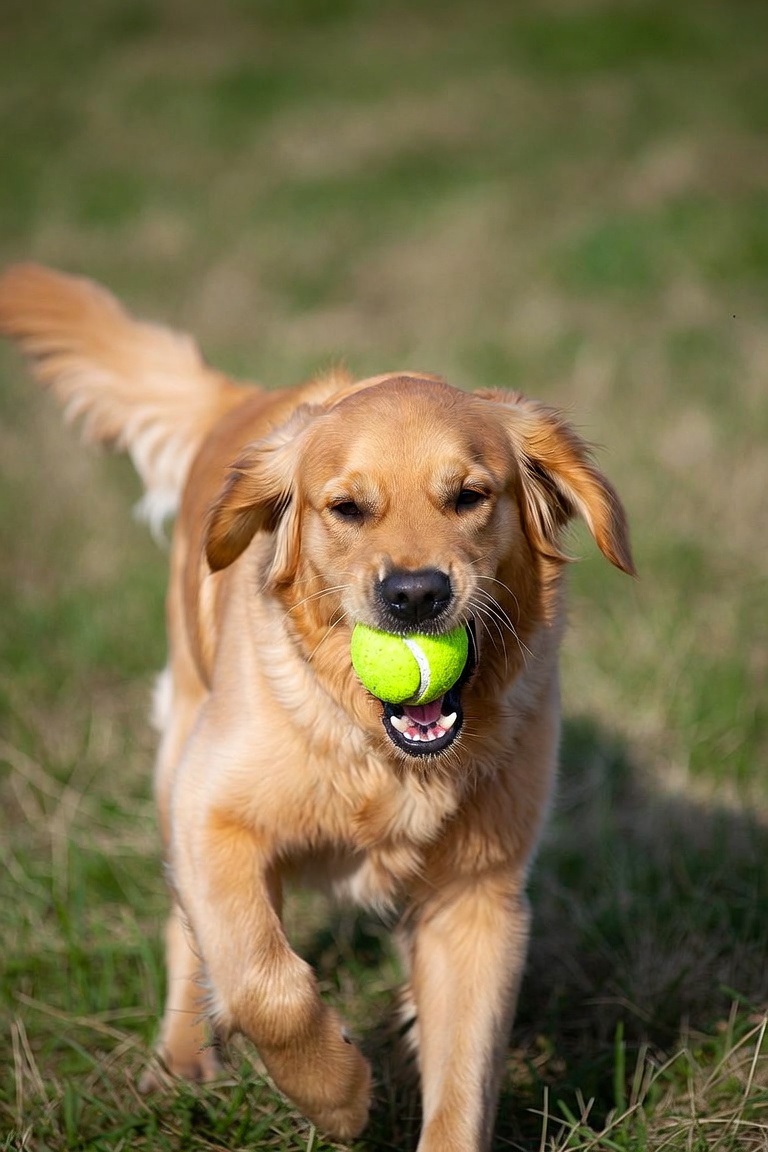
Durable fetch balls. Dense rubber fetch balls bounce unpredictably enough to stay interesting and take sustained chewing between throws. A good fetch ball does double duty as a chew toy for dogs who like to settle in with their "catch."
Nylon and rubber bones. SodaPup-style bones in power-chewer compounds give dogs a dedicated chewing outlet, which often saves your other toys (and furniture). Rotate two or three so no single bone takes all the wear.
Glow toys. For evening fetch sessions, glow-in-the-dark durable toys keep playtime going after sunset — same dense construction, easier to find in the yard.
Interactive enrichment toys. Puzzle and treat-dispensing toys redirect chew drive into problem-solving. For many dogs, ten minutes of enrichment work burns more energy than thirty minutes of fetch, which means less destructive chewing overall.
Browse the full lineup in our Toys collection — every product page notes chew-strength suitability.
Making Toys Last Longer
Even the toughest toy lasts longer with a few habits:
Rotate toys weekly so novelty stays high and wear spreads across the set. Store chew toys out of reach between sessions — unlimited access turns any toy into a project. And pair chew toys with enrichment: a dog whose brain is tired chews less obsessively than a bored one.
The Bottom Line
The right toy for a heavy chewer is dense, seamless, sized up, and honestly rated. It costs more upfront than the bargain bin — and costs far less over a year of not replacing shredded toys every week.
Have a certified destroyer at home? Watch our toys survive real chew tests on TikTok @mutt.toy and the Mutt Toy YouTube channel, then find your dog's next favorite at mutttoy.com.

