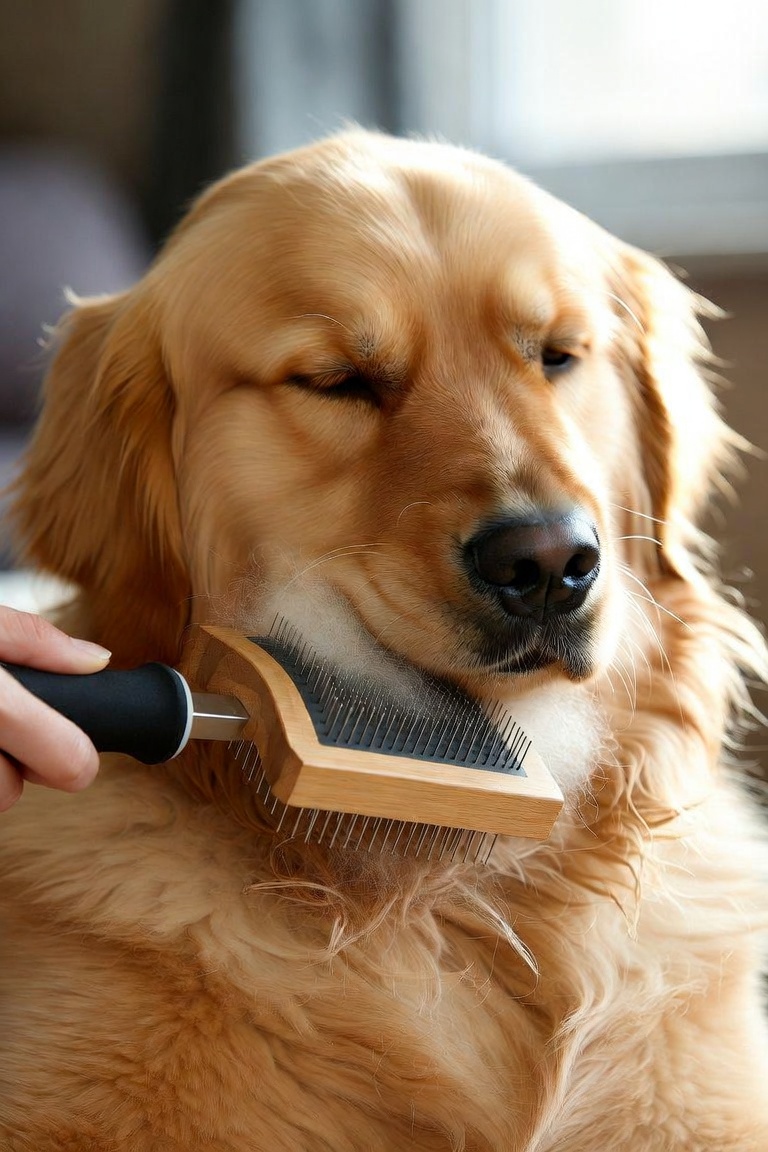
If you're vacuuming every day and still finding fur on your clothes, your couch, and somehow inside the refrigerator, you're not doing anything wrong — your dog is just doing what dogs do. But there's a big difference between normal shedding and a house buried in hair, and the gap between the two usually comes down to tools and routine.
Here's what actually reduces shedding, and what's just marketing.
Why Dogs Shed So Much
Most heavy shedders are double-coated breeds — retrievers, shepherds, huskies, and plenty of mixes. Under the visible topcoat sits a dense, soft undercoat that insulates against heat and cold. That undercoat releases in waves, most heavily during spring and fall "coat blows," when it can feel like your dog is producing a second dog's worth of fur.
You can't stop shedding — it's healthy and necessary. What you can do is capture loose undercoat with a tool before it ends up on your floor.
What Actually Works
Deshedding tools. A proper deshedding tool reaches through the topcoat and pulls out loose undercoat that a regular brush glides right over. This is the single biggest upgrade most owners can make — a good deshedding session can remove a startling pile of fur that was otherwise headed for your furniture. The key word is loose: a well-designed tool collects fur that's already released, without cutting or damaging the healthy topcoat.
Regular brushing between deshed sessions. A slicker brush or grooming glove a few times a week keeps the topcoat clean and distributes skin oils, which keeps the coat healthier and reduces breakage-related shedding.
Bathing before deshedding. A bath loosens undercoat dramatically. The most effective routine groomers use: bathe, dry thoroughly, then deshed. You'll remove noticeably more fur than deshedding a dry, unwashed coat — and if bath time is a wrestling match, an elevated bathtub saves your back and keeps the dog contained.
Diet and hydration. Coat quality starts inside. Dogs on complete, balanced diets with adequate omega-3 fatty acids tend to have stronger coats with less breakage. If your dog's shedding comes with dull fur or flaky skin, it's worth talking to your vet about diet.
What Doesn't Work
Shaving a double-coated dog is the classic mistake — it doesn't reduce shedding long-term, ruins the coat's insulation, and can cause patchy regrowth. Skip it. And be skeptical of any product claiming to "stop" shedding entirely; nothing does, because shedding is biology, not a defect.
A 10-Minute Weekly Routine
You don't need a groomer's arsenal. This covers most heavy shedders:
Two or three quick brushing passes during the week (2–3 minutes each), one deshedding session weekly (5–10 minutes, outdoors if you can — the fur pile is real), and a bath-plus-deshed once a month or during coat blows. During spring and fall, bump deshedding to twice a week and you'll stay ahead of the wave instead of chasing it.
Work in the direction of hair growth, use light pressure, and stop when the tool comes up mostly empty — over-grooming one spot can irritate skin.
The Bottom Line
The fur tsunami isn't inevitable. One good deshedding tool, a consistent 10-minute routine, and a monthly bath will cut the hair around your house dramatically — most owners are shocked at the difference in the first two weeks.
Find our gentle, tested deshedding tools in the Grooming Collection, and watch them in action on real shedding machines at TikTok @mutt.toy and the Mutt Toy YouTube channel. Your vacuum deserves the break.

