Walk down any pet aisle and every bag says "premium." Most of them aren't. The word has no regulated definition for pet treats, which means the only way to know what you're buying is to read past the front of the bag. Here's what actually separates a quality treat from a colored biscuit with good branding.
Start With the Ingredient List, Not the Front Label
The front of the bag is marketing; the ingredient panel is the product. Ingredients are listed by weight, so the first three tell you most of the story.
Good signs: a named protein or whole food first (chicken, beef, peanut butter, pumpkin — not "meat meal" or "animal by-product"), a short list you can read aloud without stumbling, and ingredients you'd recognize in a kitchen.
Caution signs: unnamed proteins ("animal fat," "poultry by-product"), sugar or corn syrup high on the list, artificial colors (your dog does not care that the treat is red), and long chains of preservatives.
A short honest list beats a long fortified one for a treat — treats are rewards, not nutrition plans. Your dog's complete diet comes from their food; treats just need to be clean and worth working for.
Where and How It's Made Matters
"Handcrafted" and "small-batch" can be real signals when they come with specifics: who makes it, where, and from what. Small-batch makers tend to use shorter ingredient lists and simpler processes because they're cooking, not manufacturing.
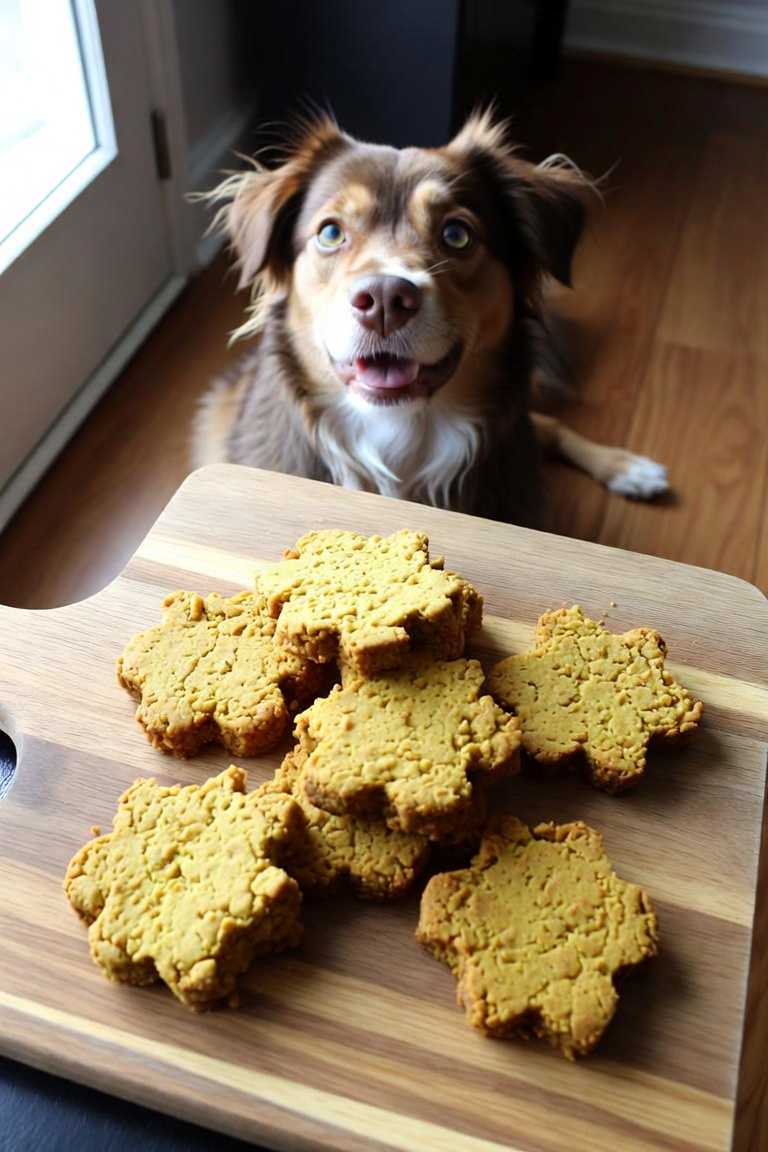
Country of origin is worth checking too. Made-in-USA sourcing means the maker operates under US food-handling standards and recalls are traceable. That's exactly why we stock Roscoe & Stella's — handcrafted in Illinois, with flavors that read like a farmers market instead of a chemistry set:Bacon & Wisconsin Cheddar, and a Grain-Free Peanut Butter Pumpkin for dogs that do better without grains.
Match the Treat to the Job
Not every treat has the same role, and "premium" partly means right for the purpose:
Training treats should be small, soft, and fast to eat — a treat your dog chews for thirty seconds kills a training session's rhythm. Break larger treats into pea-sized pieces; dogs count rewards, they don't weigh them.
High-value rewards — the special-occasion stuff for recall practice, nail trims, and vet visits — is where strong flavors like bacon and cheese earn their keep. Save them for the hard asks and they stay powerful.
Everyday treats just need clean ingredients and reasonable calories, because they're the ones adding up.
Grain-Free: Choice, Not Upgrade
Grain-free isn't automatically better — it's better for some dogs. Dogs with grain sensitivities (itchy skin, digestive trouble on grain-heavy diets) often do noticeably better on grain-free options; dogs without them do fine either way. If you suspect a food sensitivity, that's a conversation for your vet, not the treat aisle. For everyone else: pick the flavor your dog loses their mind over.
Portion Sense: The Part Everyone Skips
The common rule of thumb: treats should stay under roughly 10% of your dog's daily calories. Quality doesn't change math — a premium treat overfed is still overfeeding. If you're training heavily, shrink the pieces or trim dinner slightly. Your dog will not notice. Your vet will, at weigh-in, in a good way.
The Bottom Line
A premium treat is one where the ingredient list is short and honest, the maker is named and accountable, and the treat fits the job you're using it for. Everything else is packaging.
Try both Roscoe & Stella's flavors in our Treats collection — and see the taste tests our test dogs "volunteered" for on TikTok @mutt.toy and the Mutt Toy YouTube channel.

